


In economics, the term “inflation” refers to a reduction in the purchasing power of a currency. Inflation is characterized as a fall in purchasing power. For example, when the cost of goods and services appears to increase, or the amount of money they once cost is no longer enough, consumers need more of any unit of currency to purchase the same goods and services.
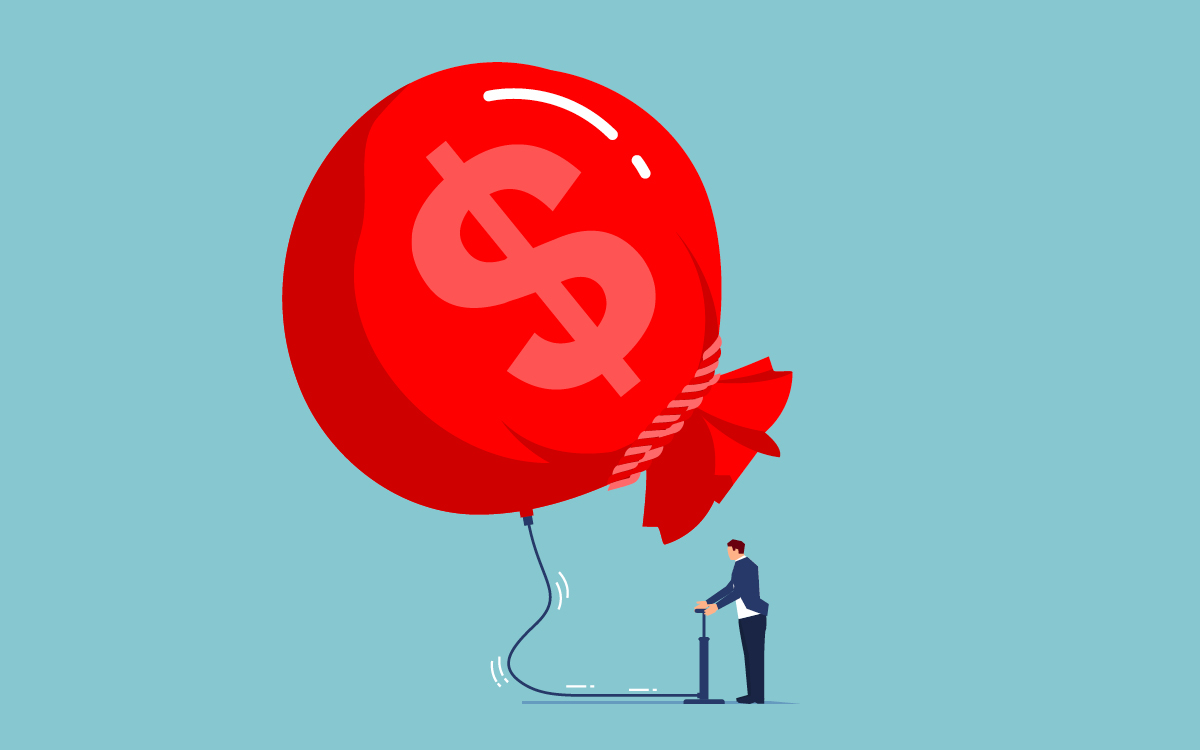
Effectively, inflation causes currencies to lose their purchasing power. Conversely, deflation causes currencies to gain purchasing power as prices decline. The aim of inflation is to measure the impact of price changes throughout a basket of goods and services. This includes healthcare, commodities, energy, food, labor, and entertainment.
Declining purchasing power results in a decline in disposable income. People are less likely to go out and spend. Plus, they tend to have less money to invest. As a result, economic growth slows down when the cost of living increases for the majority of the population. Economists agree that long-term inflation occurs when an increase in money supply exceeds the economic growth of a nation.